

Do Dham Yatra
A Sacred Journey to Kedarnath and Badrinath
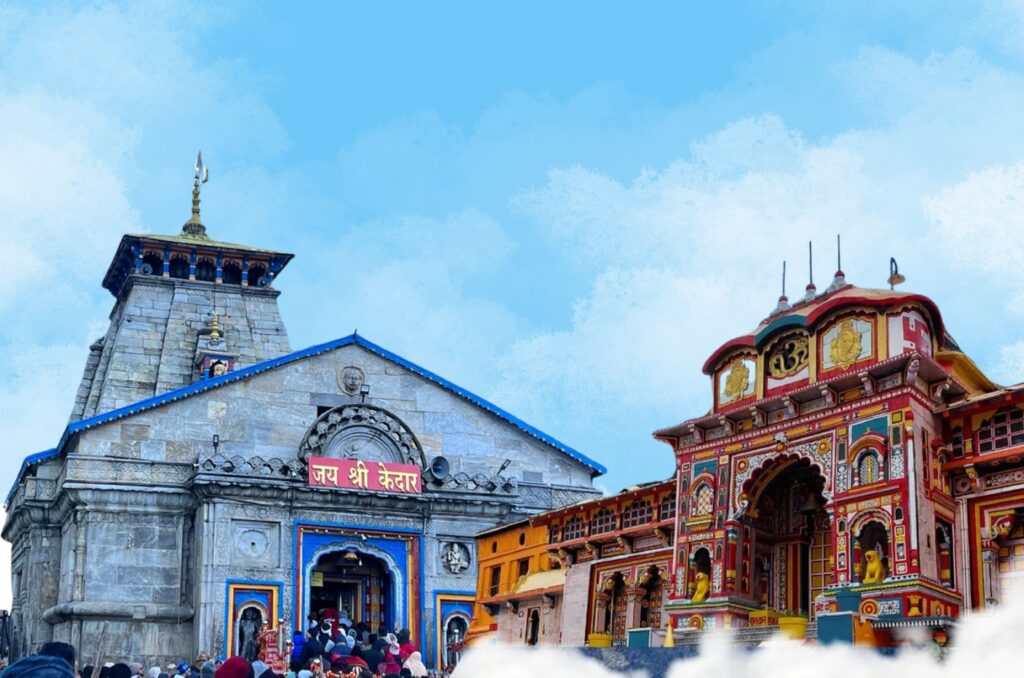
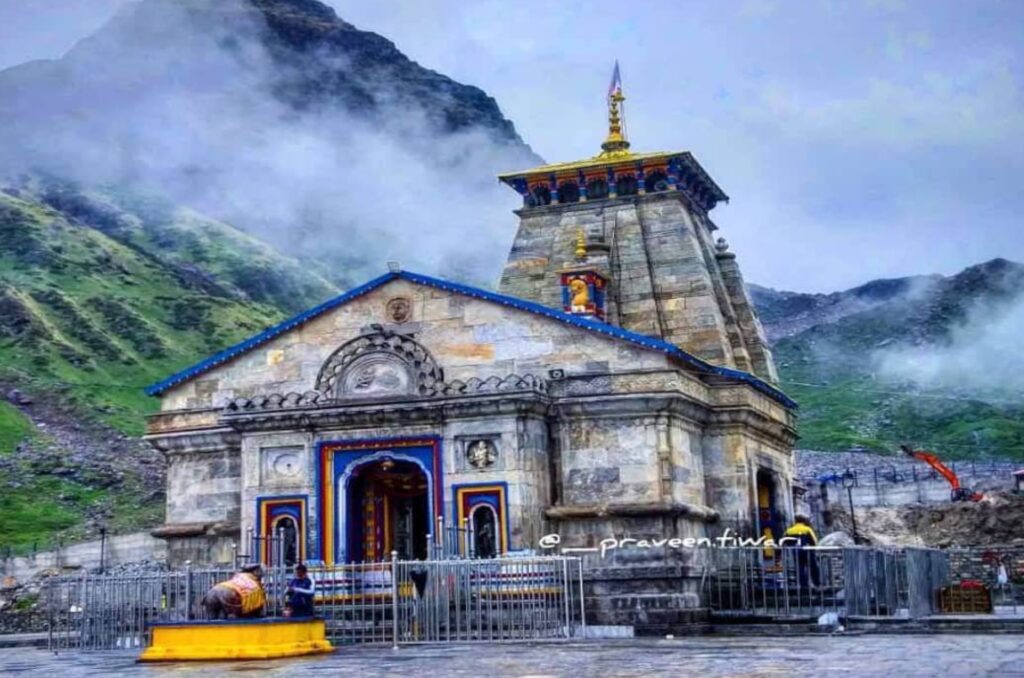
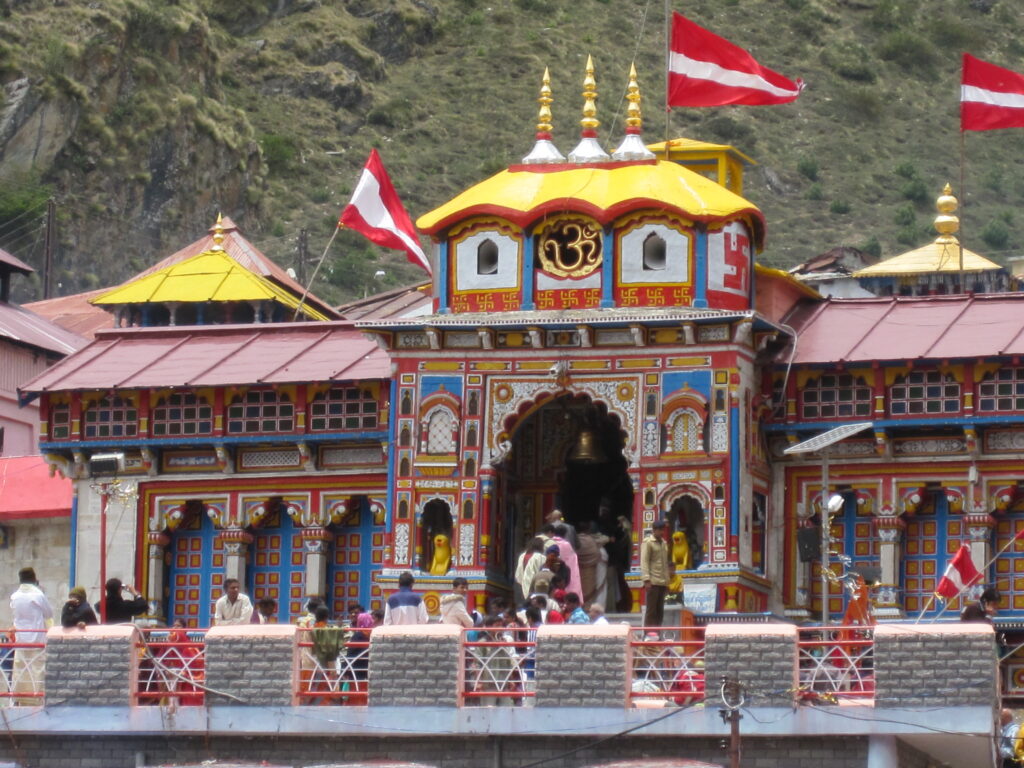
Do Dham Yatra is a spiritually significant pilgrimage located in the Garhwal region of Uttarakhand, India. This journey takes pilgrims to the sacred Kedarnath Temple and Badrinath Temple, two of the most important pilgrimage destinations for Hindus.
The journey passes through scenic mountain landscapes, flowing rivers, waterfalls, and picturesque valleys of the Garhwal Himalayas. Along the route, pilgrims witness breathtaking views of snow-covered Himalayan peaks and lush green surroundings.
The highlight of the yatra is visiting Kedarnath Temple, one of the twelve Jyotirlingas of Lord Shiva, and Badrinath Temple, dedicated to Lord Vishnu, both set against the backdrop of majestic Himalayan mountains.
With its sacred significance and breathtaking Himalayan scenery, Do Dham Yatra remains one of the most revered pilgrimage journeys in India.
Trek Distance: 16 km (one way)
Trek Duration: 6–7 days
Maximum Altitude: 11,755 ft (3,584 m)
Difficulty Level: Moderate to Difficult
Trek Highlights
- Visit to the sacred Kedarnath Temple, one of the twelve Jyotirlingas
- Darshan at Badrinath Temple, one of the Char Dhams
- Scenic journey along the Mandakini and Alaknanda rivers
- Beautiful Himalayan landscapes and mountain valleys
- Spiritual pilgrimage experience in the Garhwal Himalayas
Trek Itinerary
Day 1: Haridwar / Rishikesh to Guptkashi
The journey begins from Haridwar or Rishikesh and proceeds toward Guptkashi through scenic mountain roads and river valleys.
Along the way, pilgrims pass through Devprayag, where the Alaknanda and Bhagirathi rivers meet to form the Ganga, offering a spiritually significant and scenic experience.
Upon arrival at Guptkashi, the day is spent resting and acclimatizing for the journey ahead.
Day 2: Guptkashi to Kedarnath
The journey continues to Gaurikund, the base point of the trek.
The trek begins from Gaurikund and follows a well-defined mountain trail leading toward Kedarnath.
The route passes through scenic locations such as Jungle Chatti, Bheembali, and Linchauli, offering beautiful views of rivers, waterfalls, and surrounding Himalayan peaks.
After a steady ascent, trekkers reach Kedarnath Temple, located amidst majestic mountains.
Trek Distance: 16 km
Day 3: Kedarnath Temple Visit
This day is dedicated to visiting and offering prayers at the sacred Kedarnath Temple.
Pilgrims can also explore nearby spiritual and scenic locations such as Bhairavnath Temple, which offers spectacular views of the Kedarnath valley.
Day 4: Kedarnath to Gaurikund
After morning prayers, trekkers begin the descent back to Gaurikund along the same scenic trail.
The downhill journey offers different perspectives of valleys, rivers, and mountain landscapes.
Trek Distance: 16 km
Day 5: Gaurikund to Badrinath
The journey proceeds toward Badrinath via Joshimath.
The route passes through scenic Himalayan roads along the Alaknanda River.
Upon arrival, pilgrims visit the sacred Badrinath Temple.
Day 6: Badrinath Temple Visit
This day is dedicated to visiting and offering prayers at the Badrinath Temple.
Pilgrims can also explore nearby locations such as Tapt Kund, Mana Village, Vyas Gufa, and Saraswati River.
Day 7: Departure
After breakfast, pilgrims begin their onward journey toward Rishikesh or Haridwar, concluding the Do Dham Yatra.
Best Time to Visit
The best time to undertake the Do Dham Yatra is between May to June and September to October, when the temples remain open and weather conditions are favorable.
During winter, the temples remain closed due to heavy snowfall.
Who Can Do This Trek?
Do Dham Yatra is suitable for pilgrims and trekkers with moderate fitness levels. The Kedarnath trek requires basic physical fitness.
Many pilgrims also complete the journey using ponies, palkis, or helicopter services.